


03
In 2025,
The Arab
Energy Fund
advanced its sustainability journey from strategic
alignment to structured disclosure.
Building on the foundations established in prior years, the Fund entered a new phase defined by standardization, transparency, and strengthened governance oversight.
253
tCO2e
Absolute Scope 1 and Scope 2 greenhouse gas emissions

The Fund’s Sustainability Strategy continues
to operate under three interconnected
pillars that align institutional responsibility with financial performance:

01
Responsible Banking and Investing
Impact measurement across lending and investment activities, innovating sustainable solutions, and supporting projects that contribute to energy security and sustainability.
02
Social Impact and Economic Opportunity
Supporting regional development, nurturing talent, and fostering long-term economic resilience within member countries and beyond.
03
Financial Resilience and Governance
Ensuring that sustainability considerations are aligned with robust governance, prudent risk oversight, and institutional discipline.
These pillars provide a structured lens that lies at the center of the Fund’s sustainability & impact efforts.
A defining milestone in
2025 was the publication of the
Fund’s inaugural standalone
Sustainability Report,
covering the 2024 reporting year.
Prepared in accordance with GRI Standards and aligned with the Central Bank of Bahrain (CBB) ESG requirements, the report marked a significant step toward structured and internationally benchmarked disclosure.
For the first time, the Fund measured and publicly disclosed its absolute Scope 1 and Scope 2 greenhouse gas emissions, totaling 253 tCO₂e. Also, the Fund provided granular disclosures across its workforce as part of its commitment to transparency and talent development.
Governance oversight was further strengthened through the mandate of the Board Risk and Sustainability Committee, which assumed formal responsibility for sustainability and impact practices, the ESG/Climate Risk toolkit, and disclosure oversight.
This development reinforces the Fund’s governance-led approach to responsible growth.
Sustainability
continues
to be reflected
in the Fund’s
capital allocation. By the end of 2024, loans supporting
projects with significant positive environmental or social impact reached approximately USD 1.283B, representing close to one-quarter of the total loan portfolio.
$1,283B
loans supporting projects with significant positive environmental or social impact reached approximately
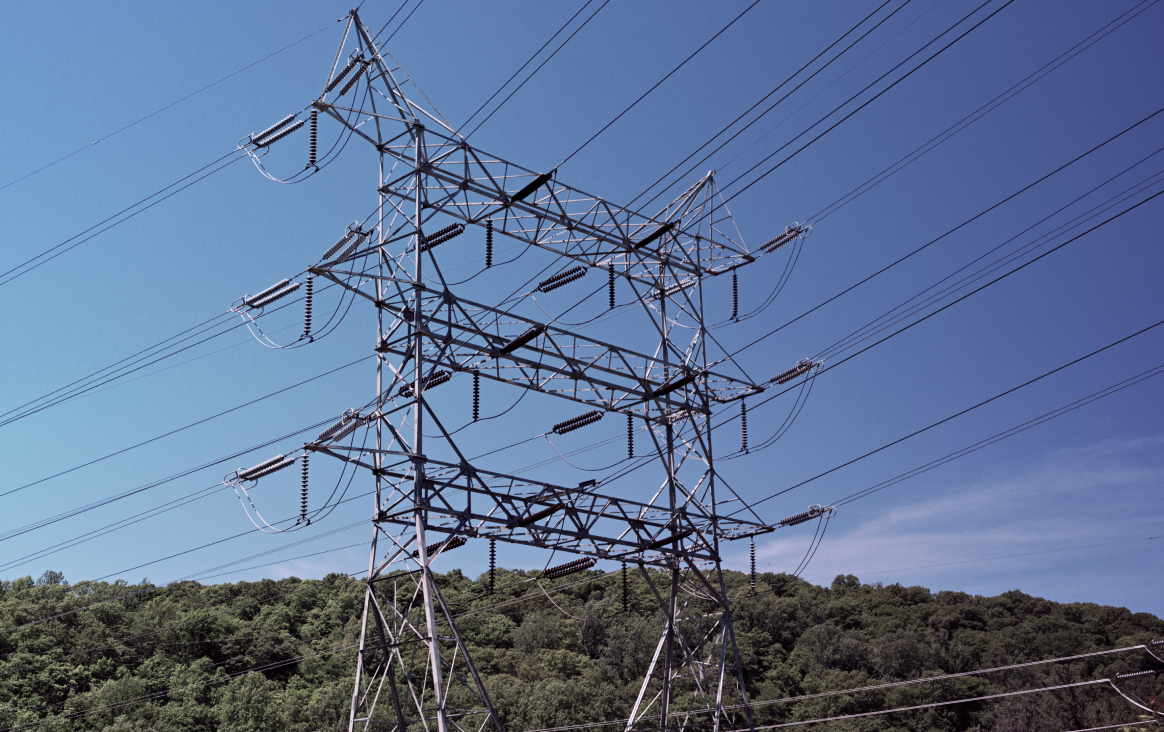
The Fund continues to deploy proceeds under its Green Bond and Green Finance Frameworks into qualifying sustainable assets, including renewable energy, utilities, and wastewater treatment infrastructure. In 2025, a new Green Bond Report was published to disclose environmental and socioeconomic outcomes linked to the USD 750Mn second Green Bond issued in 2024.
Beyond formal “green” classifications, the Fund remains a significant supporter of critical infrastructure such as water desalination projects, including seven initiatives that provide potable water to over 36,000 homes in water-stressed regions.
These investments reflect the Fund’s broader mandate to balance energy security with environmental stewardship.
We continue to demonstrate our ongoing commitment to social responsibility and the advancement of the energy sector.
$500K worth
strategic donation to EnergyTech
The Fund provided a strategic donation worth USD 500k to EnergyTech, a leading institution in energy sector training and capability building.

Looking toward 2026, the Fund plans to inaugurally measure and publish corporate-level impact metrics for the 2025 period.
The Road Ahead
This shift is fully aligned with the Fund’s identity as an impact institution and will provide transparency around the full impact of our regional and sectoral footprint.

Growth and Impact
Expanding Impact Across the Energy Value Chain
